
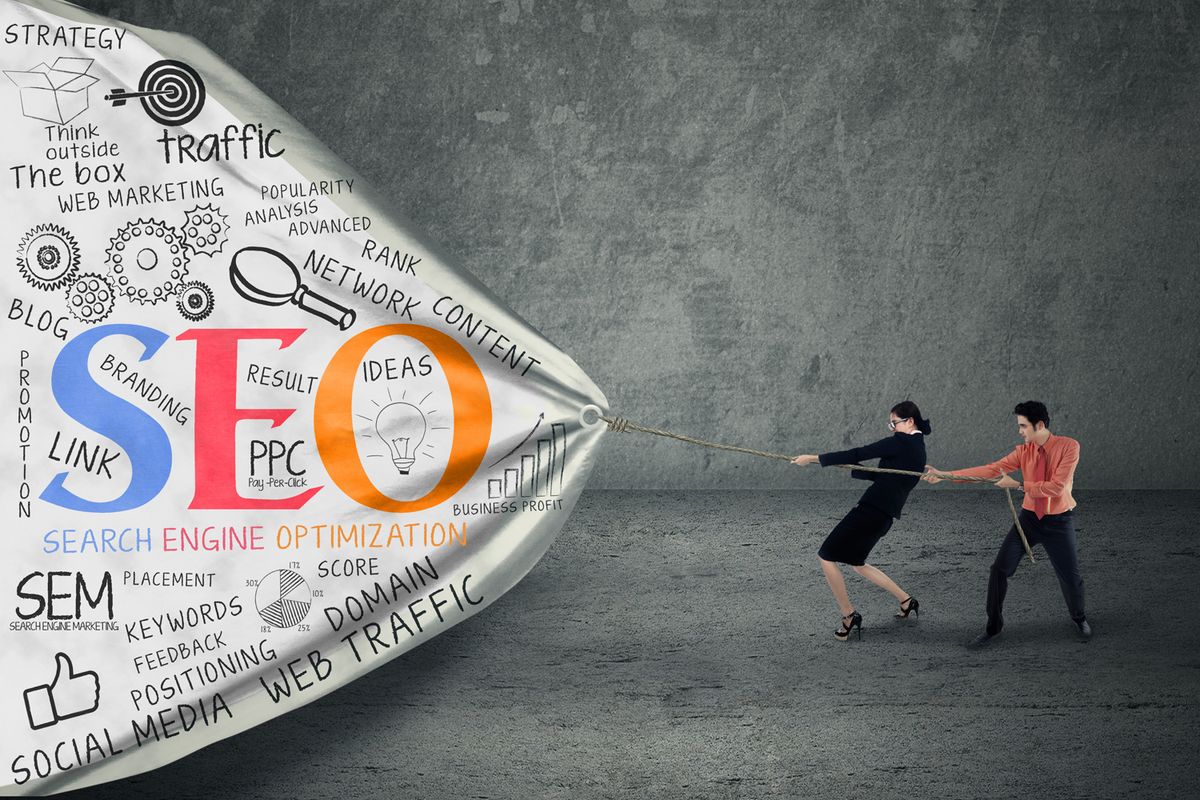
On-Page SEO Mastery: 7 WordPress Tweaks for Top Google Rankings in 2026

On-Page SEO Techniques: 7 WordPress Tweaks 2026
Ranking on Google is not just about writing content anymore. It is about how well your content is optimised for users and search engines. This is where on page SEO techniques play a crucial role.
Many websites publish blogs regularly but still fail to rank. The reason is simple — poor optimisation. If your pages are not structured correctly, Google will not understand your content.
According to industry data, over 90% of pages get no organic traffic from Google. This shows how important proper search engine optimisation is.
If you are using WordPress, you already have a strong foundation. But without the right tweaks, you are missing ranking opportunities.
In this guide, we will cover 7 powerful on page SEO techniques for WordPress that can help you improve Google ranking in 2026.
Why On Page SEO Still Matters in 2026
Google’s algorithm has evolved, but one thing remains constant — content relevance and structure matter.
On page SEO helps Google understand:
What your page is about
Which keywords you are targeting
Whether your content matches search intent
Without proper optimisation, even great content will struggle to rank.
1. Optimise Your Title Tag and Meta Description
Your title is the first thing users see on Google.
Best Practices:
Include your primary keyword naturally
Keep the title under 60 characters
Make it clear and engaging
Example:
Instead of:
“SEO Guide for Websites”
Use:
“On Page SEO Techniques for Better Rankings”
Meta Description Tips:
Keep it under 160 characters
Include keywords naturally
Add a benefit or result
This improves your click-through rate, which is an important ranking factor.
2. Use Proper Heading Structure (H1, H2, H3)
Google uses headings to understand your content.
Structure Example:
H1 → Main topic
H2 → Main sections
H3 → Sub-points
Why it matters:
Improves readability
Helps users scan content
Boosts SEO clarity
Many WordPress users ignore this simple step, but it is one of the most effective SEO optimisation tips.
3. Optimise Your Content for Keywords (Without Overdoing It)
Keyword stuffing does not work anymore.
Instead:
Use your primary keyword naturally
Add secondary keywords where relevant
Use LSI keywords for context
Ideal Placement:
First 100 words
Headings
Throughout content
Your goal is to write for humans first, then optimise for search engines.
4. Improve URL Structure
Your URL should be simple and clean.
Bad Example:
website.com/post?id=12345
Good Example:
website.com/on-page-seo-techniques
Tips:
Keep URLs short
Include keywords
Avoid numbers and symbols
WordPress allows you to easily customise URLs, so use this feature properly.
5. Internal Linking Strategy
Internal links help both users and search engines.
Benefits:
Improves site navigation
Passes SEO value between pages
Increases time on site
For example, you can link to your service page like:
SEO services from Genesis Digitech
This helps Google understand your website structure and improves ranking.
6. Optimise Images and Media
Images can improve engagement, but they must be optimised.
Checklist:
Use descriptive file names
Add alt text with keywords
Compress images for speed
Example Alt Text:
“on page SEO techniques for WordPress website”
This improves accessibility and helps your content appear in image search.
7. Improve Page Speed and Mobile Experience
Google now uses mobile-first indexing.
If your site is slow, you will lose rankings.
Key Actions:
Use lightweight themes
Optimise images
Use caching plugins
According to Google, 53% of users leave a page if it takes more than 3 seconds to load.
Speed is no longer optional — it is critical.
On Page SEO Checklist for WordPress
Here is a quick checklist you can follow:
✔ Optimised title and meta description
✔ Proper heading structure
✔ Keyword placement
✔ Clean URL structure
✔ Internal linking
✔ Image optimisation
✔ Fast loading speed
Following this checklist will improve your overall digital marketing SEO performance.
Real Example: What Works in 2026
A WordPress website improved its traffic by over 120% in 3 months by:
Fixing titles and headings
Improving internal linking
Optimising images
No backlinks were used.
This proves that on page SEO techniques alone can deliver strong results when done correctly.
Common Mistakes to Avoid
Many websites fail because of simple mistakes:
Keyword stuffing
Ignoring mobile optimisation
Poor content structure
Not using internal links
Avoiding these mistakes can significantly boost your rankings.
How Genesis Digitech Can Help
Many websites fail because of simple mistakes:
Keyword stuffing
Ignoring mobile optimisation
Poor content structure
Not using internal links
Avoiding these mistakes can significantly boost your rankings.
Conclusion
Ranking on Google in 2026 is not about shortcuts. It is about doing the basics right.
These on page SEO techniques are simple, but powerful. When implemented correctly, they can transform your website performance.
Focus on:
User experience
Content structure
Speed and optimisation
The results will follow.
Get Better Rankings Today

Consultation
Let’s discuss how Genesis Digitech can accelerate your digital transformation journey
+44 20 4529 7897